
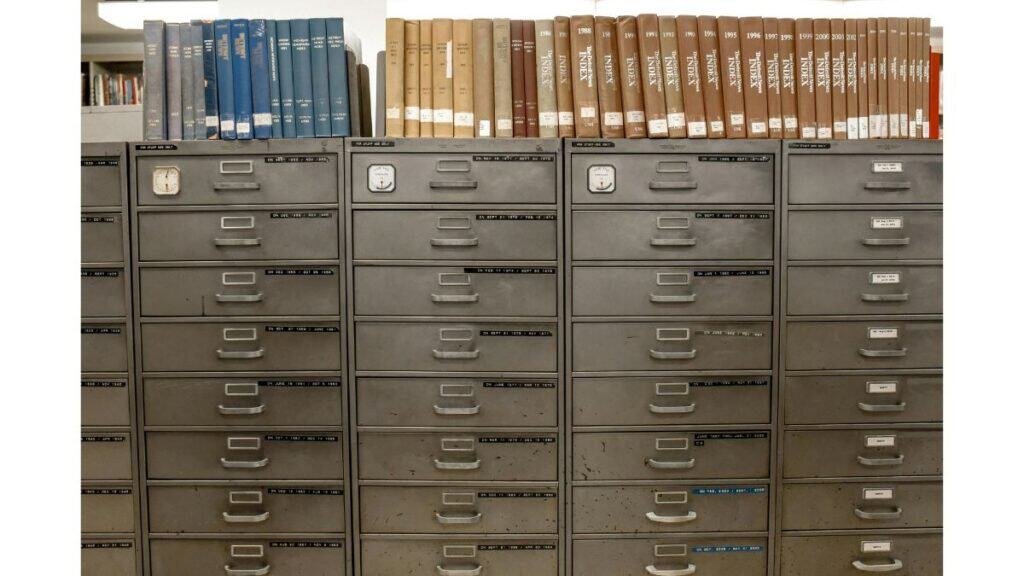
Public records still matter because they turn vague suspicion into something people can actually verify. If a public agency says it acted responsibly, records help show whether that is true. If officials claim a process was followed, records can reveal whether the timeline, correspondence, and decisions support that claim. Accountability reporting is much stronger when it relies on documents instead of impressions, and that is exactly why public records remain one of the most important tools in public-interest journalism.
At their best, public records give the public something rare: a way to look past press releases, official talking points, and polished public statements. Records can show when officials first knew about a problem, how they described it privately, whether warnings were ignored, and how a response changed once public pressure increased. That kind of evidence matters because institutions almost always look most organized in hindsight. Public records help test whether they were organized when it actually counted.
The federal Freedom of Information Act portal exists because access to government records is supposed to be part of public accountability, not a favor granted only when disclosure is convenient. While state and local systems vary, the core principle is similar: records belong in public view unless there is a legal reason to withhold them.
What public records can reveal
In accountability reporting, records often matter most when they reveal the gap between what an institution says and what it actually did. Meeting agendas, inspection reports, internal emails, notices, contracts, complaint logs, enforcement letters, and budget materials can all help build a clearer timeline. On their own, any one document may look routine. Together, they often show whether a problem was known, minimized, delayed, or quietly pushed aside.
That is one reason records work so well in public-interest journalism. They are not just supporting material. They often become the backbone of the story. When a pattern is documented, it becomes harder for institutions to wave it away as rumor or misunderstanding.
Records add structure to difficult stories
Many accountability stories begin with confusion. People hear a claim, notice a failure, or suspect a process was mishandled, but the details are incomplete. Public records help bring order to that uncertainty. They create a sequence. When did the agency know? Who was informed? What action was proposed? Was there a delay? Did the explanation shift later? These are the kinds of questions records can answer far better than opinion ever could.
That structure matters not only for reporters, but for readers. An accountability article becomes far more trustworthy when it walks through a problem using records, dates, and documentary evidence rather than emotion alone.
| Record type | What it often helps show |
|---|---|
| Emails and internal correspondence | What officials knew privately and when |
| Inspection or audit reports | Whether warnings were documented |
| Meeting minutes or agendas | How issues were discussed publicly |
| Complaint logs | Whether a problem was recurring |
| Contracts and procurement records | How money and outside vendors were involved |
| Public notices and enforcement letters | Whether action matched the seriousness of the issue |
Why institutions resist disclosure
There are legitimate reasons some records are withheld or redacted. But resistance to disclosure can also reflect something more strategic: institutions often know that records reveal process, and process is where accountability lives or dies. A press release can be carefully worded. A record request may pull up the chain of events that wording was designed to soften.
This does not mean every withheld record hides misconduct. It does mean that access fights are often central to accountability work, especially when agencies are more comfortable talking in conclusions than showing the path that led there.
Why readers should care even when the paperwork seems dull
Public records are not glamorous. They can be tedious, repetitive, and heavily bureaucratic. But that is also what makes them valuable. Institutions often fail through routine process, not movie-style scandal. A missed notice, an ignored warning, a delayed response, or a buried complaint may not look dramatic on the page, but those details can define whether a public system is actually working.
Readers should care because accountability often depends on these boring details becoming visible. Without records, the public is left judging credibility mostly by confidence and presentation. With records, people can compare statements to evidence.
Final thoughts
Public records still matter because accountability without documentation is often just argument. When records are available, they help turn public-interest reporting into something stronger, more credible, and harder to dismiss. The real value is not just transparency for its own sake. It is the ability to show how decisions were made, whether institutions followed through, and what the public would never see if no one asked to look.

Leave a Reply