
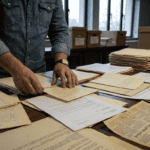
Investigative reporting often begins with fragments: a complaint, a tip, a rumor, an unexplained delay, a missing document, or a line in a report that does not seem to fit the official story. The work of the investigation is to turn those fragments into something the public can actually evaluate. That means gathering records, building timelines, testing claims, and showing how … [Read more...] about How Investigative Reporting Turns Fragments Into a Public Record
Investigations
What a Strong Public-Interest Investigation Actually Requires

A strong public-interest investigation requires more than a compelling allegation. It needs documentation, timeline discipline, source care, and enough reporting depth to distinguish pattern from noise. The best investigations do not just expose that something went wrong. They show how it went wrong, who knew, what evidence supports the conclusion, and why the issue matters … [Read more...] about What a Strong Public-Interest Investigation Actually Requires
Public water failures rarely begin at the moment the public hears about them.

By the time a boil-water notice is issued, a contamination problem becomes visible, or an agency is forced into public explanation mode, there is often already a record behind the event: inspection findings, corrective-action notes, repeated deficiencies, unresolved recommendations, or signs that a problem had been managed as routine long after it should have been treated as … [Read more...] about Public water failures rarely begin at the moment the public hears about them.